
2026-07-22
When procuring equipment for large-scale ground-mounted solar power projects in Russia, buyers often face dilemmas over material selection for ground PV mounting systems. Hot-dip galvanized carbon steel and aluminum PV mounts are the two mainstream solutions. Below is a comprehensive comparison of their pros and cons combined with project costs and climatic conditions across different Russian regions to help purchasers make accurate selections.
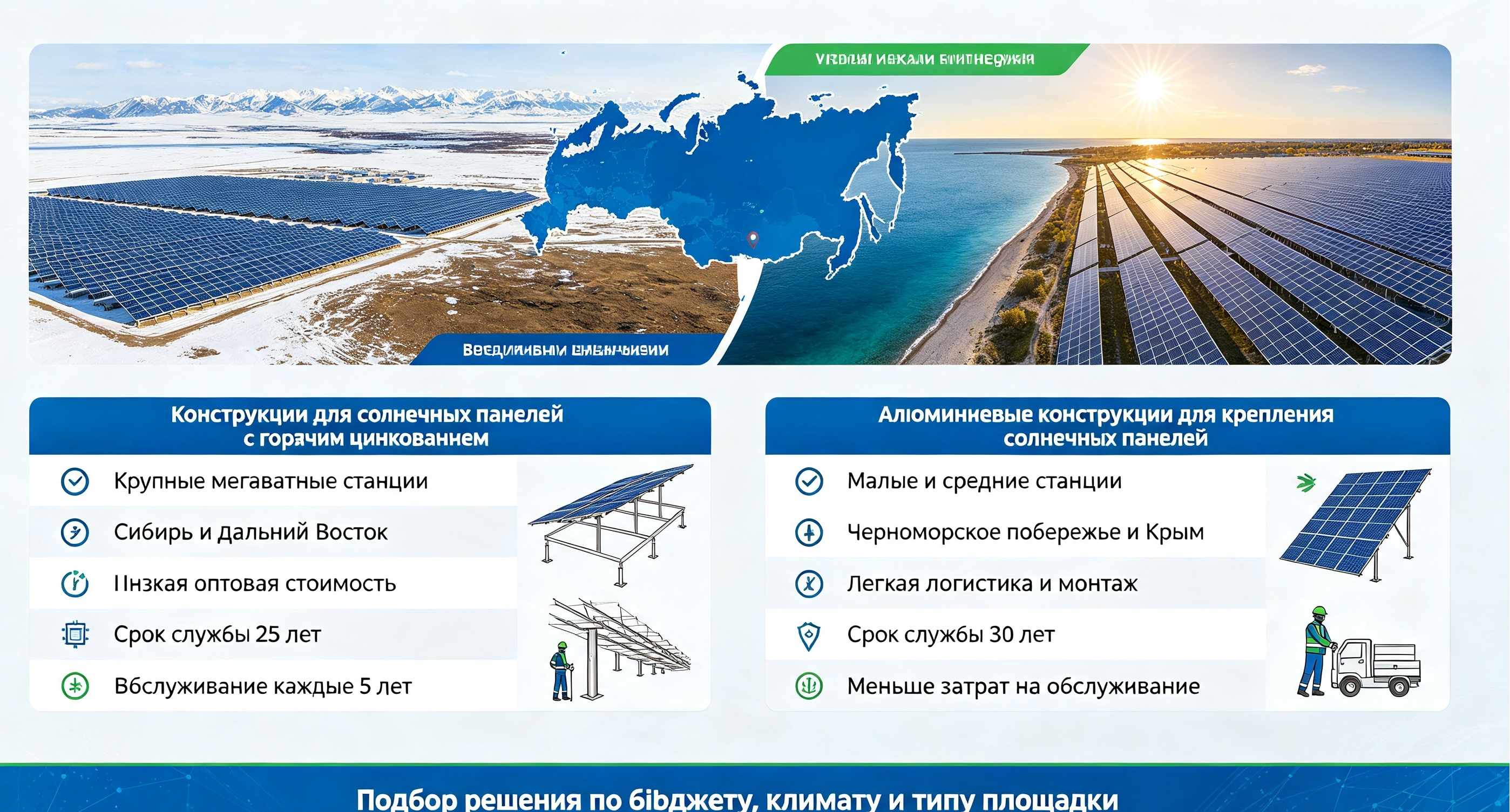
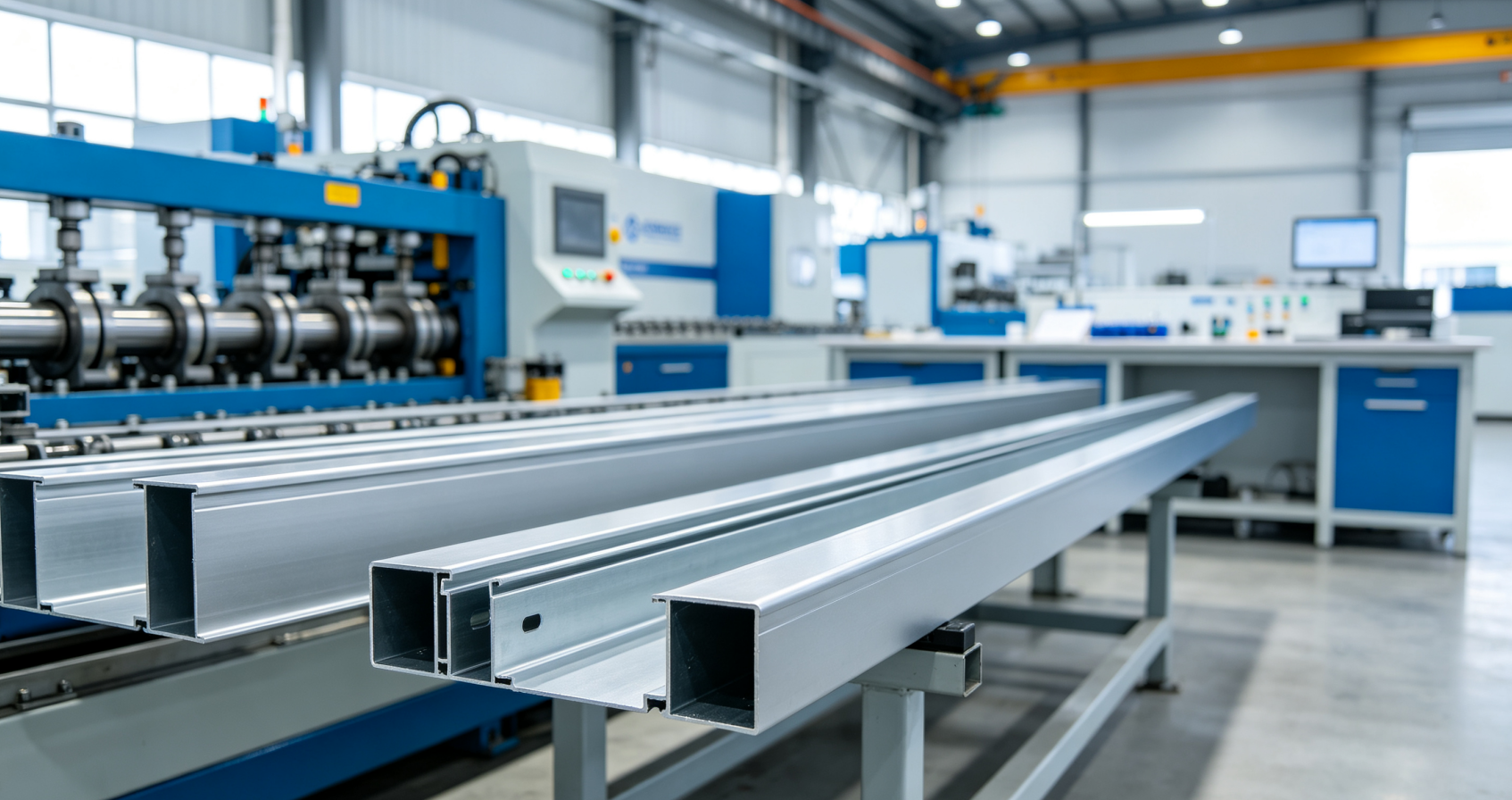
Hot-dip galvanized ground PV mounts adopt U/C channel steel as the main structure. They feature lower raw material costs and obvious price advantages for bulk purchases, alongside strong load-bearing capacity. They are suitable for large ground-mounted power stations in Siberia and the Russian Far East. Matched with ground piles for frozen soil and sandy-gravel foundations, galvanized steel mounts deliver outstanding performance against ground settlement and heavy snow loads. Their drawbacks include heavy self-weight, leading to higher inland long-distance transportation costs. For coastal areas, an increased galvanized coating thickness is required to resist salt spray corrosion.
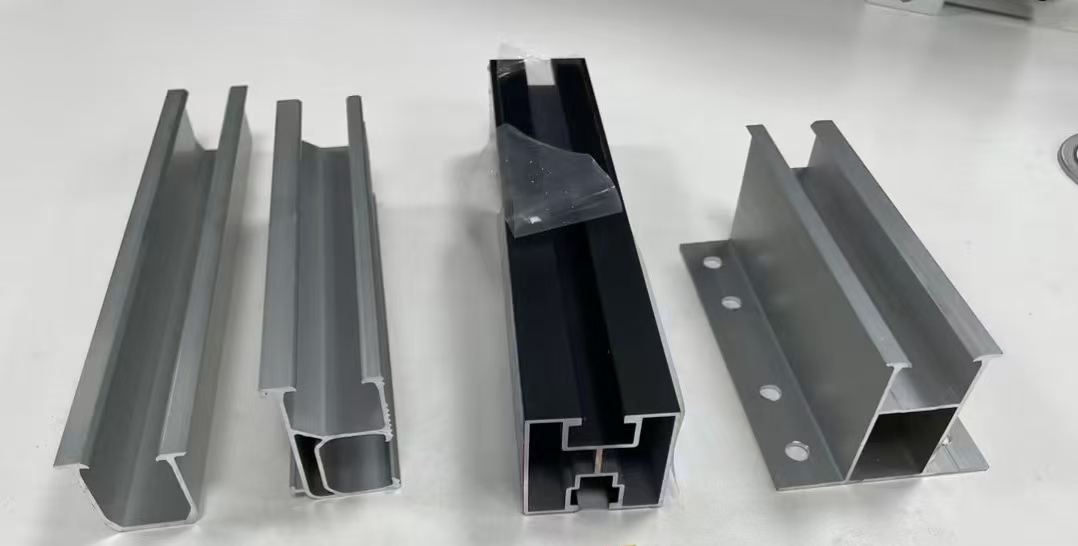
Aluminum PV mounts weigh only one-third of steel counterparts. The lightweight design greatly cuts expenses for sea and inland logistics. Aluminum has natural anti-corrosion properties and requires no extra anti-rust treatment, making it ideal for distributed ground PV projects along the Black Sea coast and in Crimea. Installation efficiency is higher; a single worker can handle transportation and assembly of profiles. The main disadvantage is higher raw material prices. For large-scale megawatt-level ground solar stations, the overall investment for aluminum solutions exceeds that of carbon steel options.
In terms of service life: thickened hot-dip galvanized PV mounts can serve up to 25 years, while aluminum PV mounts can last up to 30 years outdoors in non-corrosive environments. From an operation and maintenance perspective, aluminum mounts carry no risk of rust peeling and incur lower long-term maintenance costs. Hot-dip galvanized steel mounts need anti-corrosion inspection every 5 years.
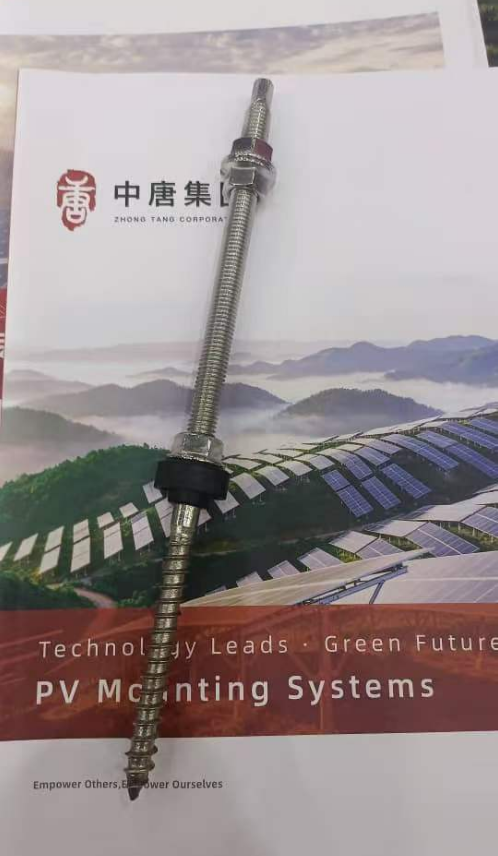
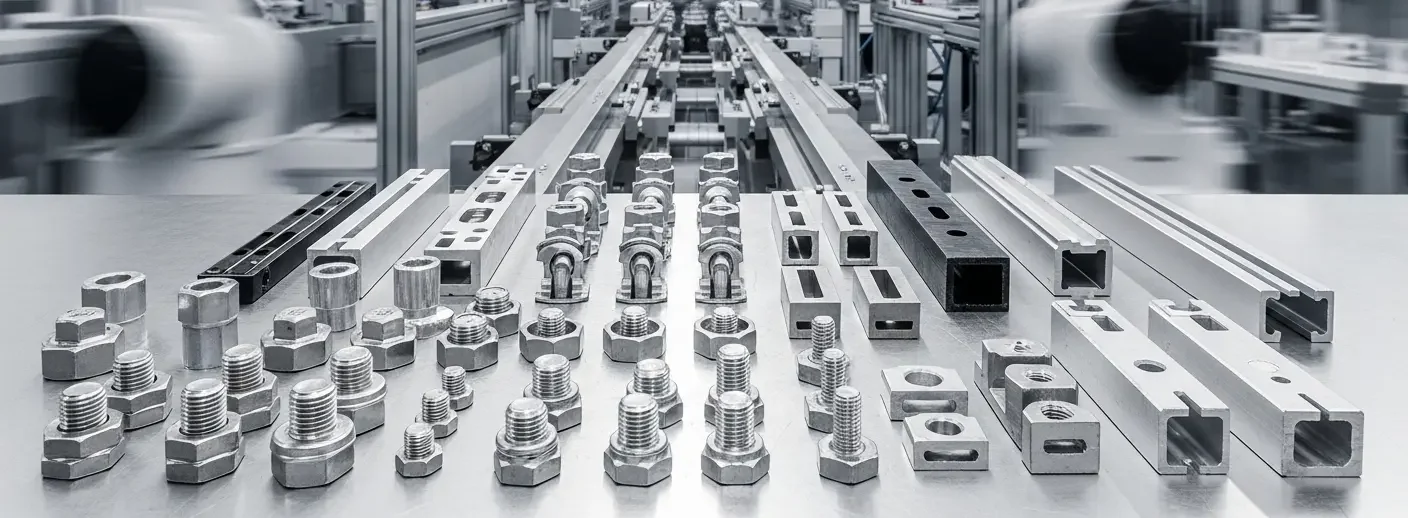
Both types of ground mounting systems are equipped with dedicated PV fasteners and available as one-stop complete supplies. Customized complete ground PV mounting solutions can be offered according to clients’ project budgets and site conditions.