
2026-08-26
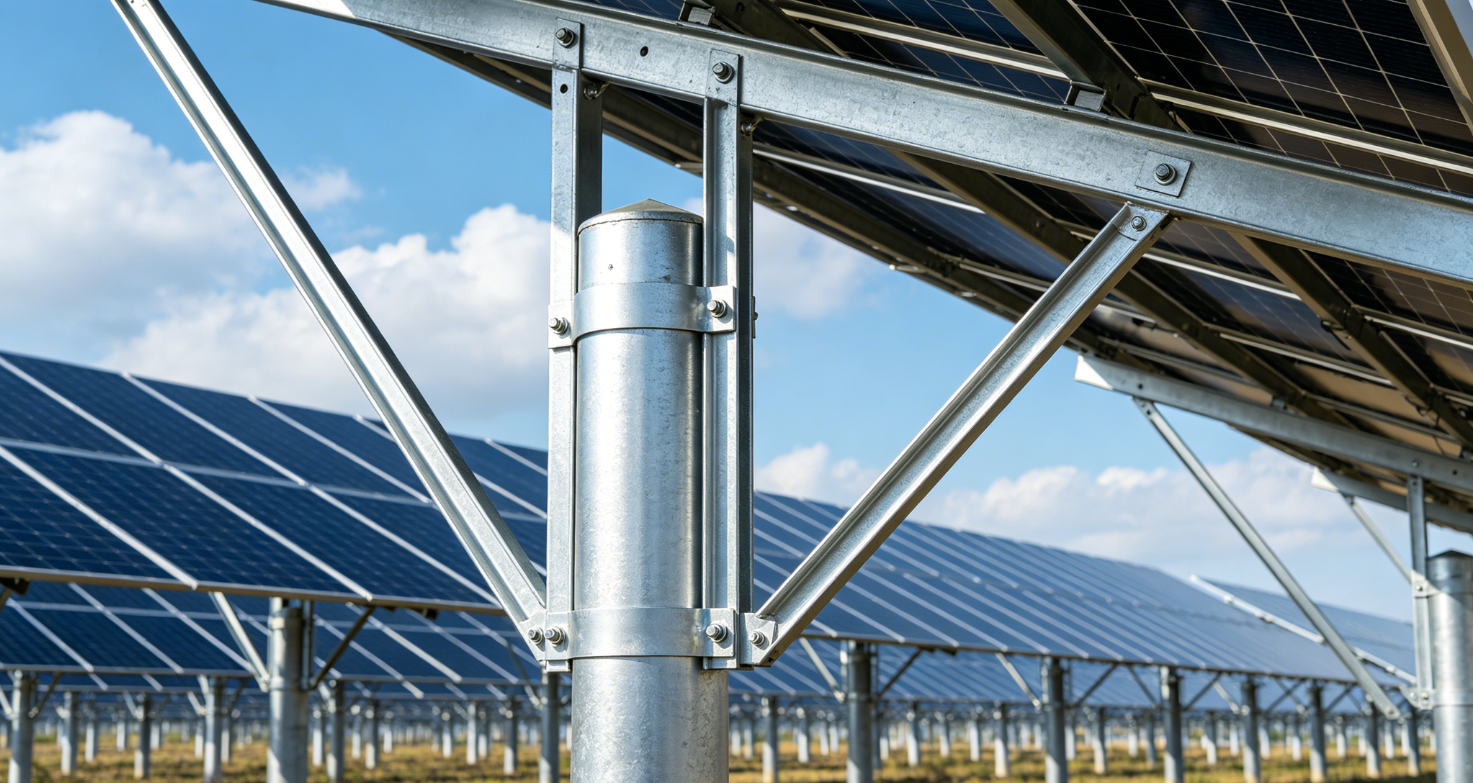
In the construction of photovoltaic power stations, the wind and seismic resistance of hot-dip galvanized PV mounting structures is directly tied to the structural safety of the entire system. As a professional manufacturer of PV mounting structures, Zhongtang Group optimizes the wind and seismic resistance of its hot-dip galvanized products throughout the entire process—from material selection and structural design to surface treatment—delivering safe and reliable product solutions for overseas customers.
Material is the foundation of wind and seismic resistance. Zhongtang Group selects Q355B high-strength low-alloy structural steel as the primary material, with a yield strength exceeding 355 MPa—approximately 40% higher than ordinary Q235 steel. Under the same cross-sectional dimensions, high-strength steel withstands greater wind and seismic loads, effectively reducing the quantity of columns and beams and lowering overall project costs. Meanwhile, Q355B steel exhibits excellent low-temperature impact toughness, making it suitable for severely cold environments such as Siberia, Russia.
Structural design is the key to enhancing wind and seismic performance. Zhongtang Group's technical team conducts load verification using professional structural calculation software based on the project site's basic wind pressure, snow pressure, and seismic fortification intensity, rationally determining column spacing, beam span, and diagonal bracing layout. For high-wind areas, the company recommends reinforced designs with stiffening plates and base plates to enlarge the contact area between the structure and the roof or ground, dispersing concentrated loads. For high seismic intensity regions, flexible connection designs are adopted, allowing the structure to undergo controlled displacement under seismic action to dissipate energy and avoid brittle failure.
Hot-dip galvanizing surface treatment not only provides corrosion protection but also significantly impacts structural performance. Zhongtang Group's products employ a full-immersion hot-dip galvanizing process, where the zinc layer forms a metallurgical bond with the steel substrate—strong adhesion that resists peeling during transportation and installation. A uniform zinc layer thickness (over 65 micrometers) ensures no cross-section reduction due to corrosion within the 25-year design life, thereby preserving the designed wind and seismic resistance over the long term. The company strictly controls process parameters, including zinc bath temperature, dipping time, and cooling rate, to ensure stable and reliable zinc layer quality.
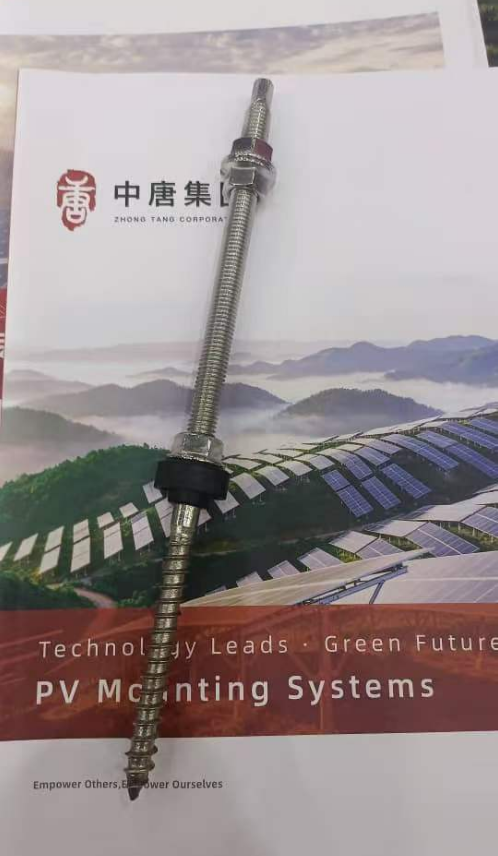
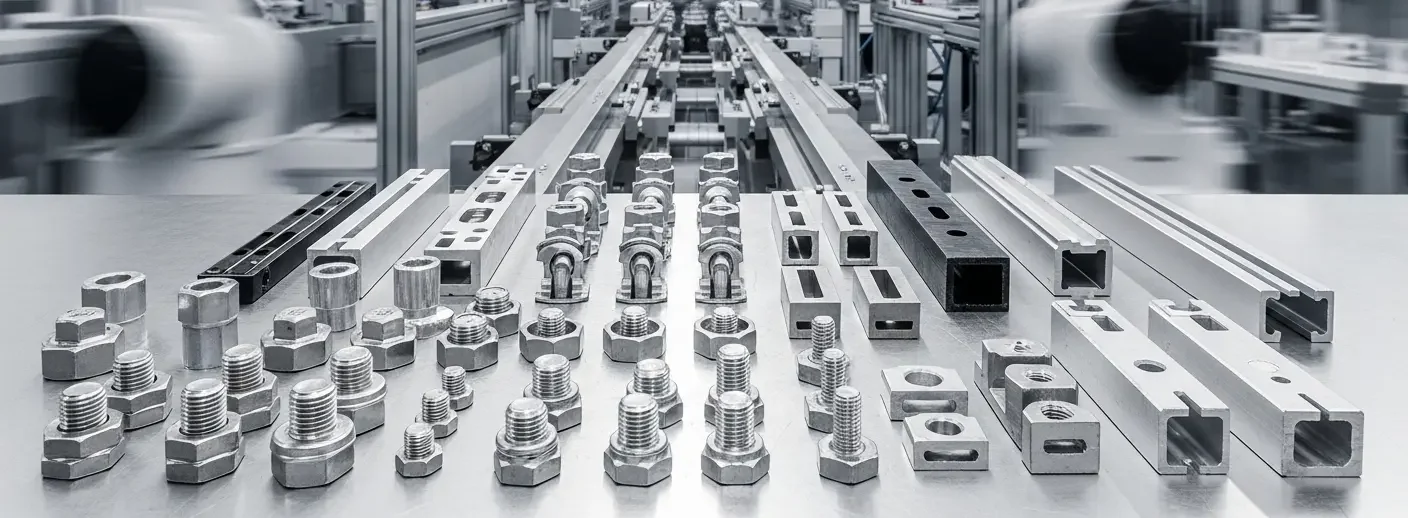
In addition, Zhongtang Group's hot-dip galvanized PV mounting structures are equipped with Grade 8.8 and Grade 10.9 high-strength bolts and spring washers. Connection nodes undergo anti-slip testing to ensure they remain tight and slip-free under wind-induced vibration and seismic action. The company can provide customized design solutions and structural calculation reports tailored to the specific environmental conditions of each customer's project, safeguarding the safety of overseas photovoltaic installations.