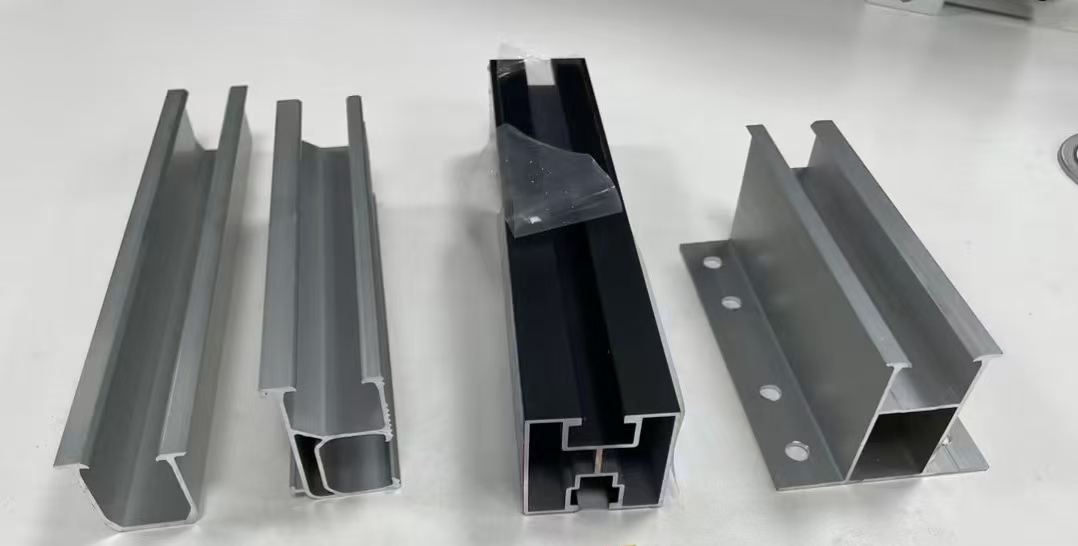
As the global low-carbon transition accelerates and new energy vehicle penetration continues to rise, solar carports, known as "multi-functional green energy canopies", have become a mainstream distributed photovoltaic application scenario worldwide. Solar carports (Солнечные навесы) perfectly solve the dual pain points of idle parking space resources and insufficient clean power supply, realizing the organic integration of space utilization, power generation, energy storage and electric vehicle charging, and are widely deployed in Europe, North America, Asia and other regions.
According to the latest industry market data, the global solar carport market size reached USD 531.04 million in 2025, and is expected to grow steadily at a compound annual growth rate of 8.22% from 2026 to 2034, with the market scale approaching USD 1 billion by 2034. In terms of regional market structure, Europe occupies a dominant position with a market share of 46.37%, relying on mature carbon neutrality policies and sound new energy infrastructure. North America follows closely, holding about 32% of the global market share, with commercial parks, university campuses and public parking lots as the core application scenarios. Benefiting from policy incentives and booming new energy industries, the Asian market has become the fastest-growing emerging region, among which China’s solar carport penetration rate in industrial and commercial parks has reached 18.3%, ranking first in the world, and the new installed capacity exceeded 2GW in 2023, showing a strong development momentum.
In practical global applications, solar carport projects have achieved diversified scenario coverage. European countries focus on public infrastructure renovation, installing large-scale solar carports in highway service areas, urban public parking lots and transportation hubs to supply clean electricity for urban public facilities and new energy vehicles. The United States and Canada prioritize commercial and industrial scenarios, and many enterprises have built integrated solar-storage-charging carport systems to reduce corporate electricity costs and achieve zero-carbon operation of parks. The Asian market takes functional popularization as the core, promoting modular and intelligent solar carports in residential communities, industrial parks and logistics parks. It is predicted that by 2030, the global installed capacity of solar carports will reach 80GW, and the integrated zero-carbon park model of "photovoltaic + energy storage + charging" will become the mainstream standard for new commercial and public supporting facilities.
Industry analysts pointed out that the rapid global popularization of solar carports benefits from dual advantages of economy and environmental protection. On the one hand, the continuous reduction of photovoltaic module costs has shortened the investment return cycle of projects, and the internal rate of return of mature projects can stably exceed 10%. On the other hand, with the global carbon emission reduction system becoming increasingly perfect, solar carports, as typical green energy facilities, can help enterprises and regions accumulate carbon emission reduction indicators and obtain additional policy dividends and market benefits. In the future, with the iterative upgrading of perovskite photovoltaic technology and intelligent energy management systems, solar carports will further expand their application boundaries and become an important carrier for global urban zero-carbon construction and distributed new energy development.


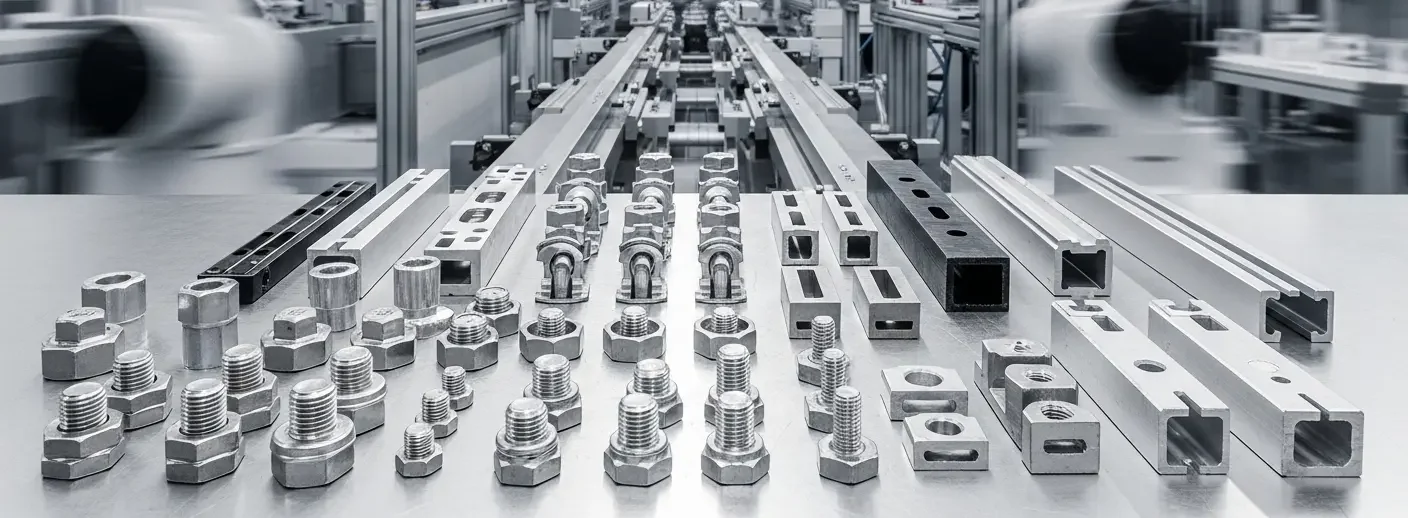
全球应用新闻-e1781601365827.png "Солнечные навесы(光伏车棚)全球应用新闻")