
2026-09-07
In sloped roof distributed photovoltaic projects, solar roof hooks are critical load-bearing components that connect the roof structure to the PV mounting system. Their selection and installation quality directly affect the overall safety and waterproof reliability of the entire solar system. Based on years of experience in sloped roof PV projects, Zhongtang Group provides a detailed guide to solar hook selection parameters and installation best practices for international customers.
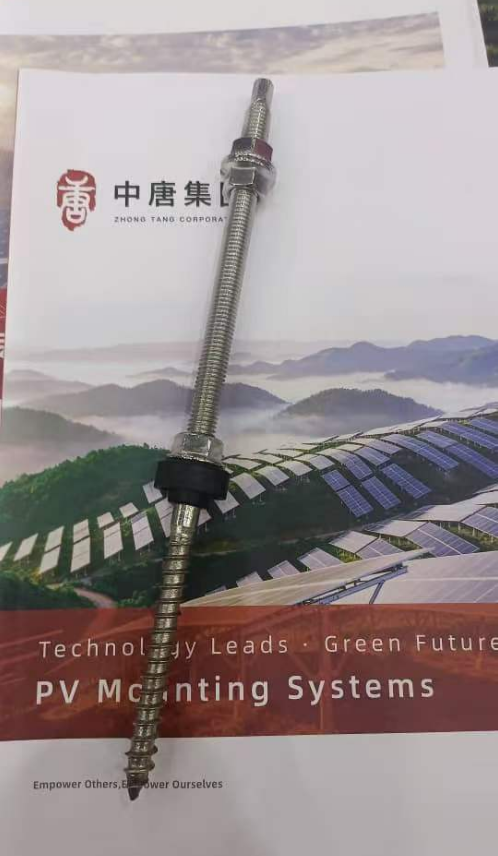
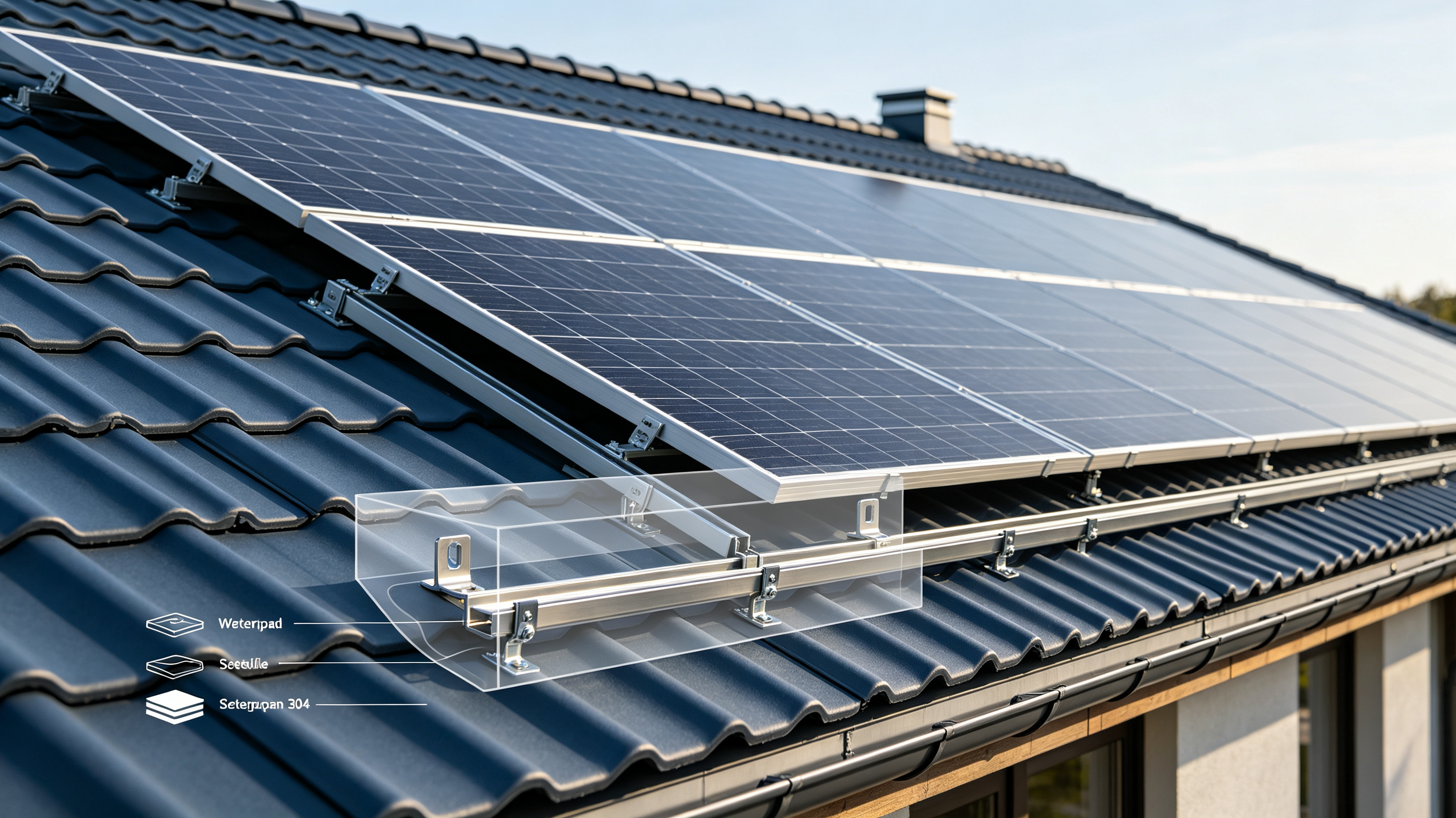
Solar roof hooks are mainly used for PV installation on tiled roofs, including clay tiles, concrete tiles, asphalt shingles and other roofing types. They are fixed to roof purlins or rafters, penetrate the tile layer, extend above the roof surface, and then connect to the PV mounting rails. Zhongtang Group’s solar roof hooks are made of 304 stainless steel, offering high strength and excellent corrosion resistance. They are designed to withstand various outdoor climate conditions and provide a service life of more than 25 years.
When selecting solar hooks, the first step is to confirm the roof structure type. Zhongtang Group offers two main types: adjustable hooks and fixed hooks. Adjustable hooks feature a height adjustment range of 30–80 mm, making them suitable for roofs with uneven tile thickness or irregular roof surfaces. During installation, the height can be flexibly adjusted according to actual tile dimensions. Fixed hooks have a simpler structure and lower cost, and are ideal for roofs with uniform tile thickness and stable roof geometry. In a residential sloped roof project in Russia, due to significant variations in local clay tile thickness, Zhongtang Group recommended adjustable solar hooks, which effectively solved the rail installation challenges caused by uneven roof surfaces.
Material and corrosion resistance are key selection factors. All Zhongtang Group solar roof hooks are manufactured from 304 stainless steel. For coastal high-salt-spray areas, 316 stainless steel is available as an upgrade to ensure long-term corrosion resistance in harsh environments. The hook surfaces are polished without burrs or sharp edges, helping to avoid tile damage and installer injuries during construction. In addition, Zhongtang Group solar hooks have passed pull-out load tests, with individual hooks capable of supporting more than 2 kN, meeting load requirements for high-wind and heavy-snow regions.
During installation, waterproofing at the hook penetration points is especially important. Zhongtang Group recommends using waterproof membranes and sealant for double sealing at each penetration point, with waterproof gaskets installed under the hook base to prevent rainwater from infiltrating along the hook into the roof. Installation spacing should be determined based on wind load calculations. Typically, 2–3 solar hooks are used per PV module, with spacing appropriately reduced near eaves and ridges. Zhongtang Group provides detailed installation manuals and torque specification sheets with each order, and can support remote video guidance to help ensure installation quality and long-term system safety.